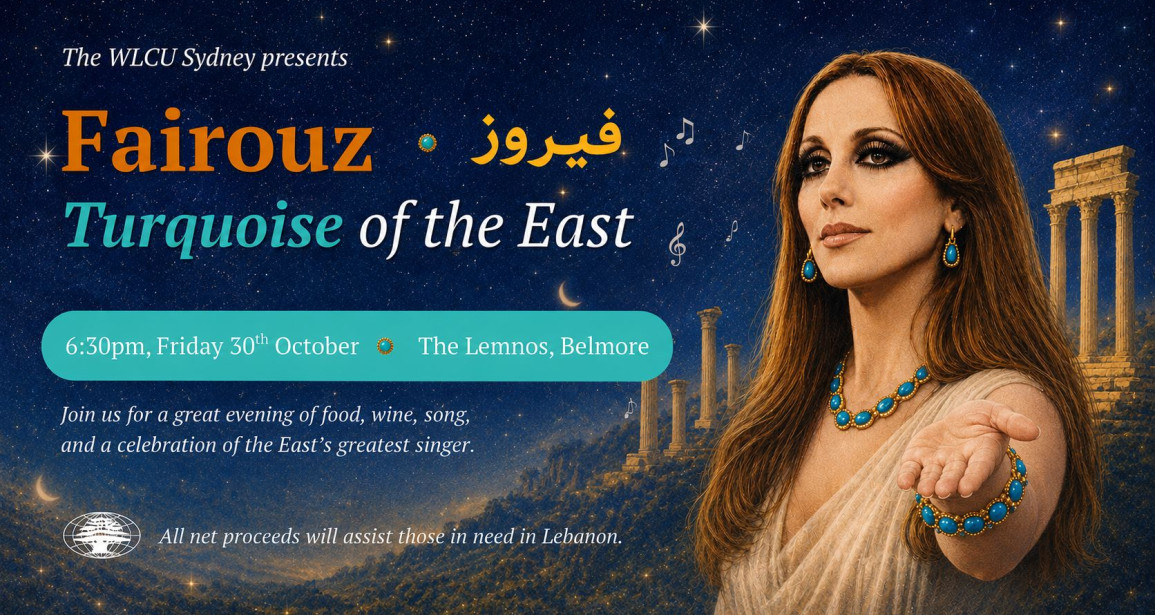
By Malek Chalhoub On Friday, 30 October, WLCU Sydney will present Fairouz: The Turquoise of the East, an evening dedicated to the woman whose voice became one of Lebanon’s most enduring treasures. Beginning at 6:30 pm at Lemnos Belmore, the event will bring together members and friends of the Lebanese community to celebrate the music, memory and extraordinary cultural legacy of Fairouz. More than a tribute to a beloved singer, the evening will honour the place she occupies in the heart of Lebanon…
By WLCU Sydney Editorial Team ‘From its beginning, modern Australia has been a place where only the very unlucky have missed out on a decent life. As the early convicts, then migrants from all over the world, and eventually even the descendants of the original inhabitants have largely found, people prepared to ‘have a fair go’ have normally been abundantly blessed with ‘getting a fair go’ in return. As a society, we are still less stratified than Britain and less individualistic than the…
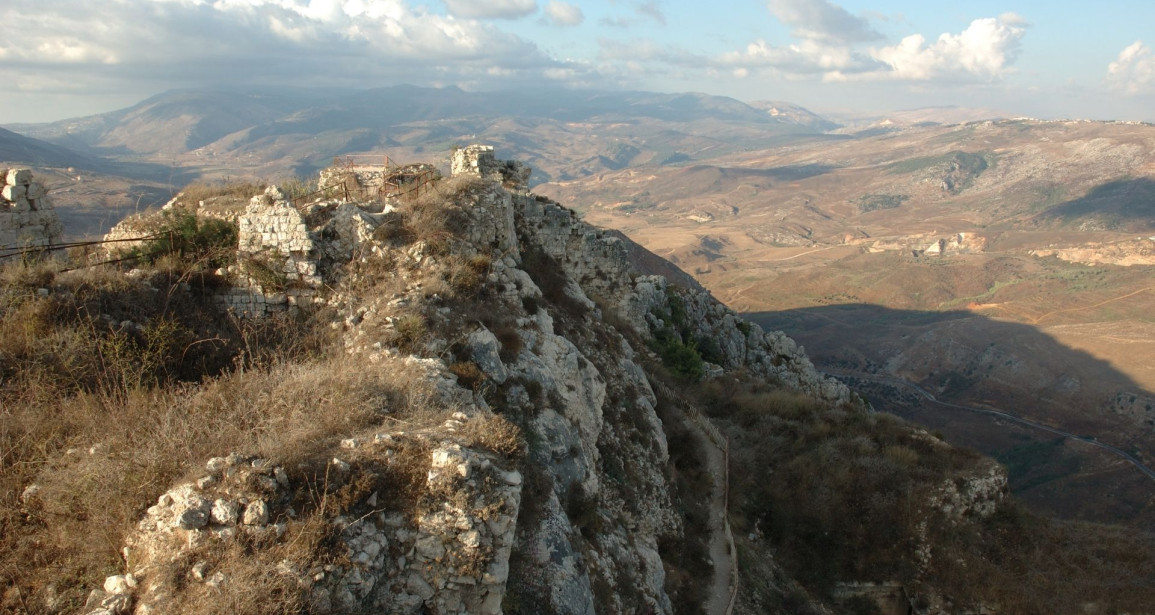
By Charbel Moujalli In the Nabatieh district of Southern Lebanon, a ruined fortress stands on the lip of a cliff that falls some three hundred metres to the water below. I looked upon it myself in 2018. Unlike its surrounds, the castle struck me as rather unassuming. The Crusaders who held it in the twelfth century called it Beaufort – the “beautiful fortress”. To locals, it is known as ‘Qal‘at al Shaqif’, the Castle of the High Rock. A stronghold married so…
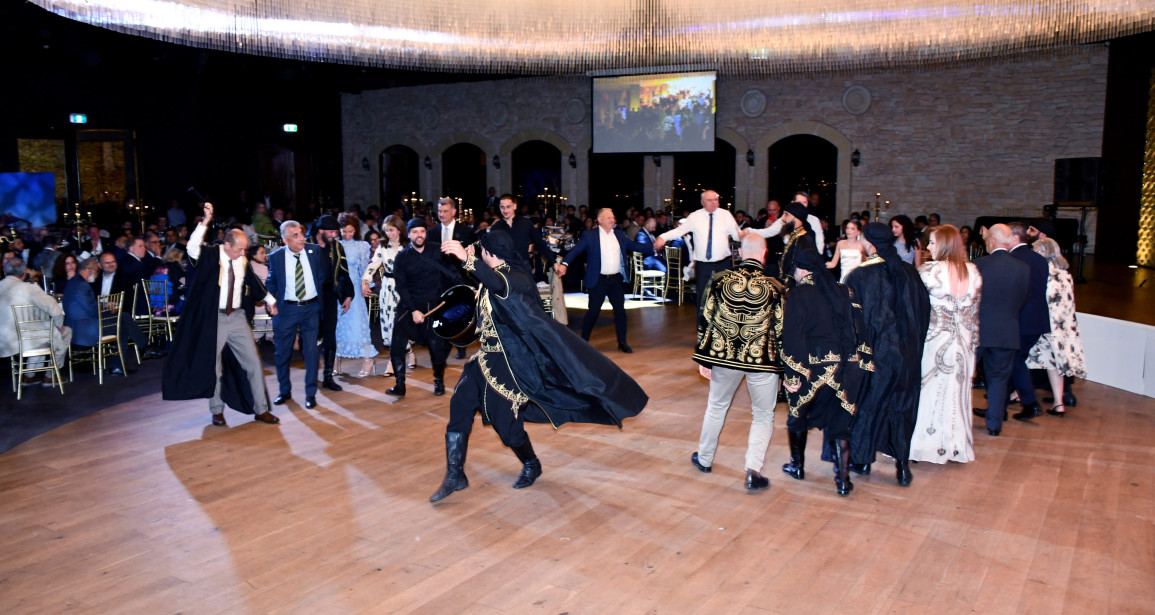
By Paul Shalhoub – VP and Chief Editor Our new signature event “From Tyre to Tripoli – a Phoenician Boat Journey” debuted on 10th October 2025. Our sold-out event with 450 guests was universally lauded as our greatest event ever – superb food, Lebanese dancing, insights into our shared Phoenician history by an archaeologist, opera by sopranist Amelia Farrugia, attendance by the WLCU World President and World Secretary General (both visiting from France), the introduction of the Phoenician God: Adonis (courtesy of…
By Marcus Khoudair You would see that even when we go far, we speak to you. We write to you. We dream in your geography. We say “back home” and mean you. We say “the village” and mean you. We say “I miss the sea” and mean the very stretch of your coastline that knows our footsteps. We say “I want to be buried there” and mean your soil, specifically yours, not just any holy ground, yours. From ‘When the Cedars Wept’ by…
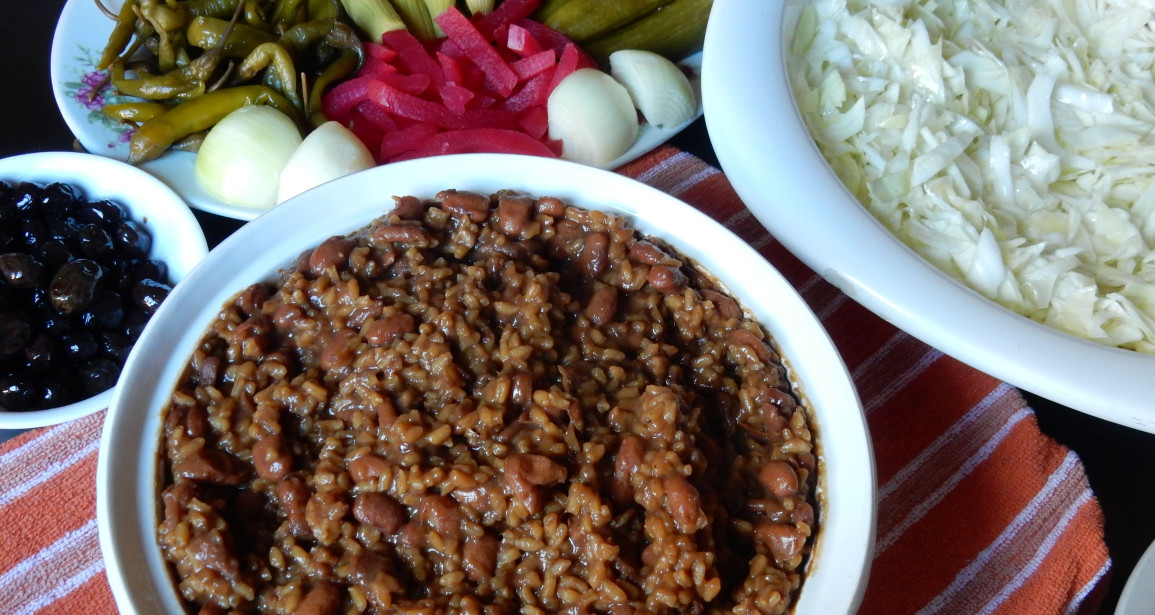
By Mirna Fakhry Serves 8 – 10 people Ingredients 8 Onions – chopped fine 3 cups red Kidney beans 1 ½ cups rice Olive oil Water boiled, Salt Method Pre-soak the beans in water overnight or for 6 hours In a large pot place the olive oil and heat over a medium flame. Add the onions to the pot. Simmer and stir until the onion is dark brown. Sir and add boiling water until you fill 2/3 of the pot. Boil for 5…
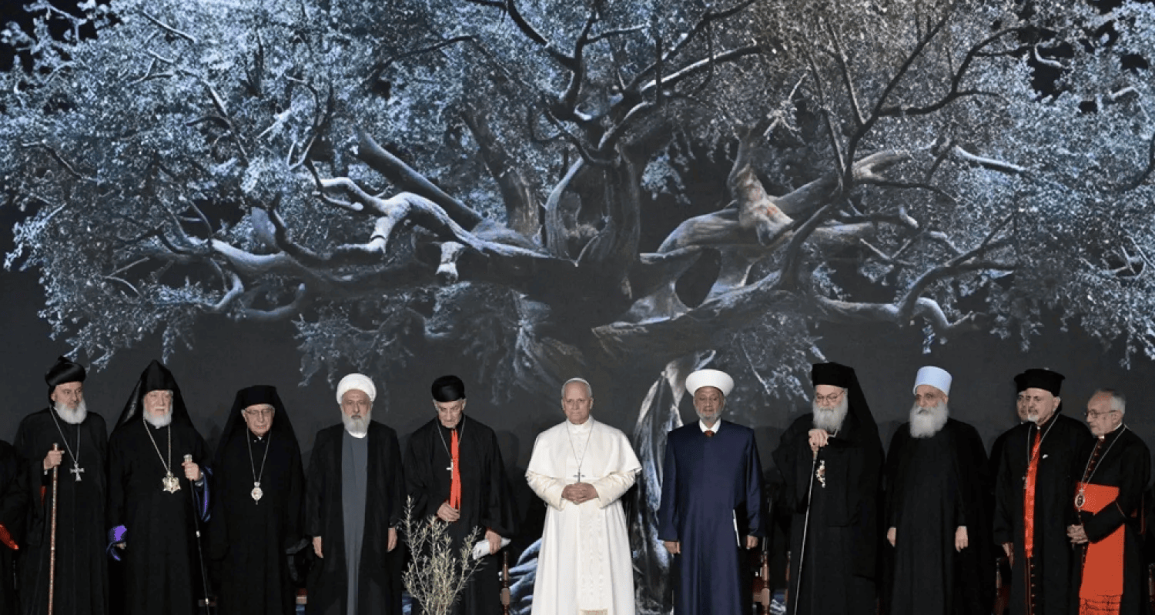
By Malek Chalhoub “Lebanon is the place that keeps burying its dead and still refuses to bury its future.” When Pope Leo stepped onto Lebanese soil, something shifted that no headline could fully capture. It was not about protocol, nor spectacle, nor the formal language of state visits. It was about a nation that has grown used to carrying its pain quietly suddenly feeling seen again. Lebanon did not greet him with perfection. It greeted him with truth. With crowded streets,…
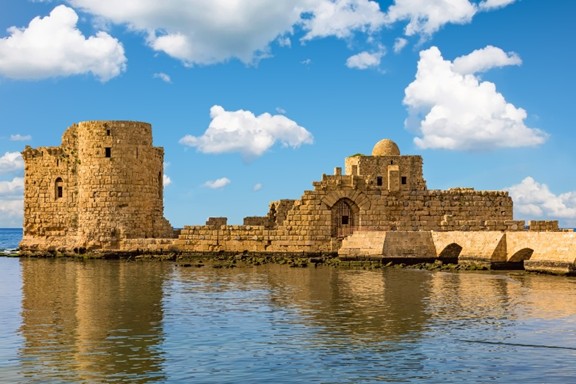
By Dr Shane Geha The Phoenicians The Phoenicians were an ancient Semitic-speaking civilization that emerged around 3200 BCE along the eastern Mediterranean coast, primarily in what is now Lebanon, as well as parts of Syria and northern Israel. Renowned for their maritime prowess, they developed advanced shipbuilding techniques and established extensive trade networks across the Mediterranean. Their most notable contributions include the spread of the Phoenician alphabet, which influenced many modern writing systems, and the establishment of colonies, the most famous being Carthage…
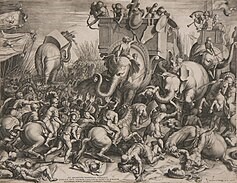
By WLCU President, Shane Geha Considered one of the greatest generals of the ancient world, Hannibal Barca of Carthage, shares a common ethnic heritage with every Lebanese in the world today. Carthage was a Phoenician settlement and one of the largest cities in the ancient world. Founded at the site of present-day city of Tunis, Tunisia in 814 BC by the ancient seafaring Phoenicians originating from Tyre in Lebanon, Carthage came to dominate the entire Mediterranean basin and threatened Roman supremacy, until its…