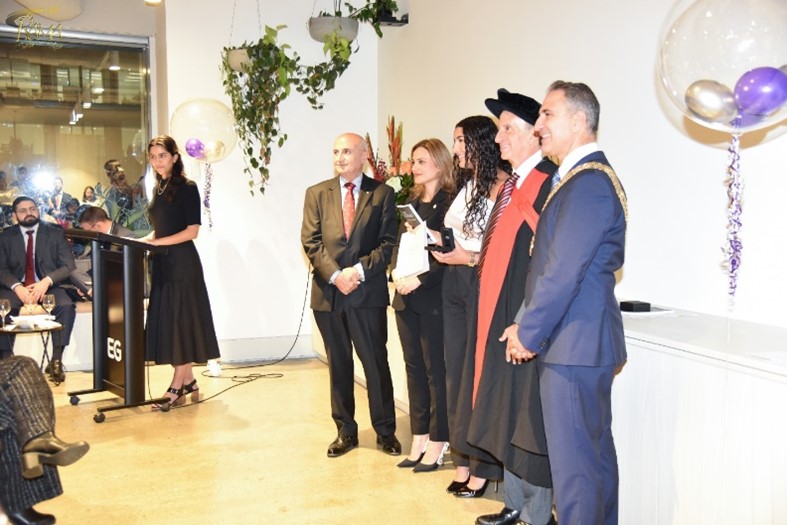
On 11 April 2024 the World Lebanese Cultural Union (WLCU) of Sydney in conjunction with the WLCU Sydney Foundation Ltd, presented its Annual HSC Distinguished Achievers Awards to our Australian Lebanese youth who have achieved outstanding results in 2023 HSC and International Baccalaureate as well as in their extracurricular activities, including in community services, leadership, sports and the arts. The awards event was held in the spectacular function room at the offices of EG in Governor Phillip Tower in the heart of Sydney’s…
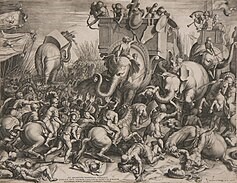
By WLCU President, Shane Geha Considered one of the greatest generals of the ancient world, Hannibal Barca of Carthage, shares a common ethnic heritage with every Lebanese in the world today. Carthage was a Phoenician settlement and one of the largest cities in the ancient world. Founded at the site of present-day city of Tunis, Tunisia in 814 BC by the ancient seafaring Phoenicians originating from Tyre in Lebanon, Carthage came to dominate the entire Mediterranean basin and threatened Roman supremacy, until its…
December 2023 witnessed two remarkable events hosted by the World Lebanese Cultural Union Sydney Inc., bringing together the community to celebrate Lebanese culture and honor literary excellence. One event, “An Evening with Gibran,” paid tribute to the iconic Lebanese American author Kahlil Gibran on the 100th anniversary of the publication of his masterpiece, “The Prophet.” The other event, the Dr Charles Malik Literary Award Competition, recognised outstanding writers who penned essays with a Lebanese theme. An Evening with Gibran: A Centennial Celebration On…
The Museum of Beirut is a must see for anyone going to Lebanon. It contains over one thousand objects, all of which have been found only in Lebanon. In this article, WLCU President Dr Shane Geha explores one very amazing object in the Museum, which is an elaborate mosaic dating back to the 2nd Century AD: The Mosaic of the Seven Wise Men (Asshaa Al Hukamaa).
The World Lebanese Cultural Union (WLCU) of Sydney will be presenting its Annual HSC Distinguished Achievers Awards to our Australian Lebanese youth, who have achieved outstanding results in the 2021 HSC. This includes all students with Lebanese ancestry, on either side of their family.
This edition’s recipe is the sweet and delectable Namoora, a very popular semolina cake often accompanied by a cup of coffee (ahwee). This recipe has been very kindly provided by Mrs Kathy Geha, mother of our WLCU Sydney President, Dr Shane Geha.
A comforting and scrumptious Lebanese desert, Riz bi Haleeb adds aromatic flavours to the universal rice pudding. This recipe uses Jasmine rice, as well as a combination of rose water and orange blossom water for distinctly Lebanese flavours.
Tawle (meaning “table”) is a traditional Lebanese boardgame which has been played for centuries and has long held a significant place in Lebanese history, culture and identity. In recent years, there has been a resurgence and new appreciation of Tawle particularly in younger generations both in Lebanon and the Lebanese diaspora of the western world notably in Australia and America.
The cedar tree (cedrus libani) is the national emblem of Lebanon. It is a symbol of resilience, strength, and eternal life.